

How the Super Bowl will fundamentally change the identity of millions of kids
We explain why winning increases identity and why underdogs have a unique appeal

This Sunday, people will gather together in living rooms and bars around the country for the biggest collective event of the year. The Super Bowl 2026 is expected to draw an average audience of 127 million viewers, making it among the most widely watched events in American history—on par with the 1969 Apollo 11 moon landing.
While it doesn’t feel as momentous as the first humans to land on the moon, the psychological impact of professional sports is nevertheless quite profound. For hard core Seahawks and Patriots fans, this will be the highlight—or lowlight—of the entire year.
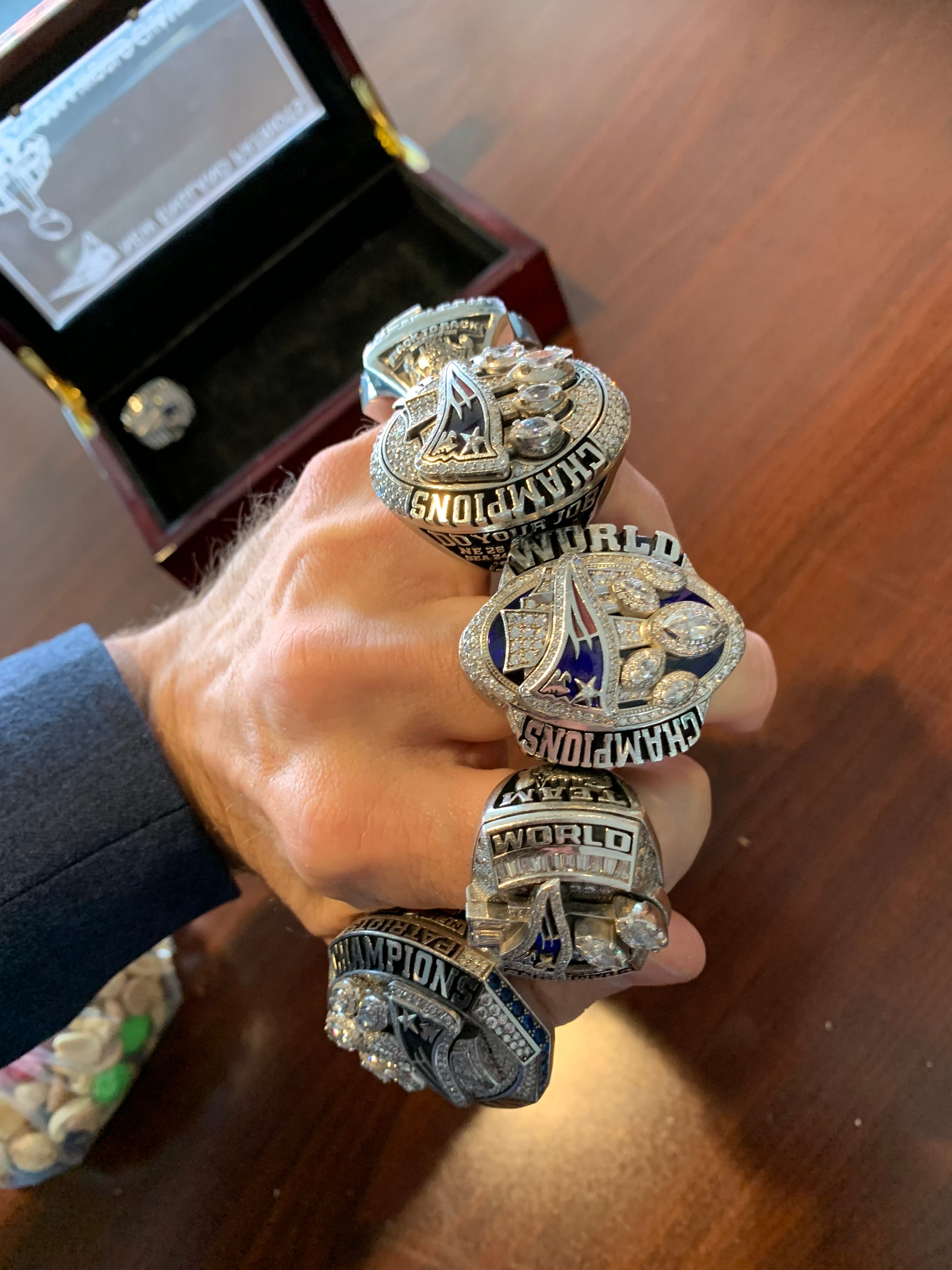
Over 65,000 fans are willing to spend roughly $4,000 a ticket to watch their favorite players fight for a Super Bowl ring (you can see what all the fuss is about in the image below). And the Super Bowl will generate a billion dollars in revenue (which is just a slice of the $25 Billion dollar industry that is the NFL). The psychology of fans is extremely lucrative.
There is extensive evidence that playing on the same sports team can bind people together in powerful ways. For instance, one study in a war torn region of Northern Iraq found that Christian players on mixed-religion soccer teams were more willing to train with Muslims in the future, vote for a Muslim to win a sportsmanship prize, and sign up for a mixed-religion team the next season. By sharing a group identity and working together, they were able to bridge what had seemed like an impossible divide.
And winning made everything better: Team success amplified these effects. Successful teams forged an especially strong sense of shared identity, and connections between teammates reducing patterns of discrimination for many months. It provided the first steps toward rebuilding a sense of community.
But the impact of the Super Bowl will extend far beyond the field. Fans from around the world will be watching. This singular event will have an impact on the sense of self for countless people. Indeed, it’s one of the rare moments in our society where it’s socially acceptable for grown men to cry in public.
But the Super Bowl might have the biggest impact on kids. Like baby goslings instinctively bonding with the first moving object they see after hatching, many children will become lifelong fans. It turns out the winning team can make an imprint on their soul that lasts a lifetime.
