


In a touching display of empathy, the international figure skating community and fans rallied around Maxim Naumov. After a remarkable performance dedicated to his late parents (who were killed in a tragic plane crash in Washington, DC), he dropped to his knees and looked to the sky. The crowd of fans gave him an emotional standing ovation that transcended national team lines, illustrating the shared human experience of the athletes.
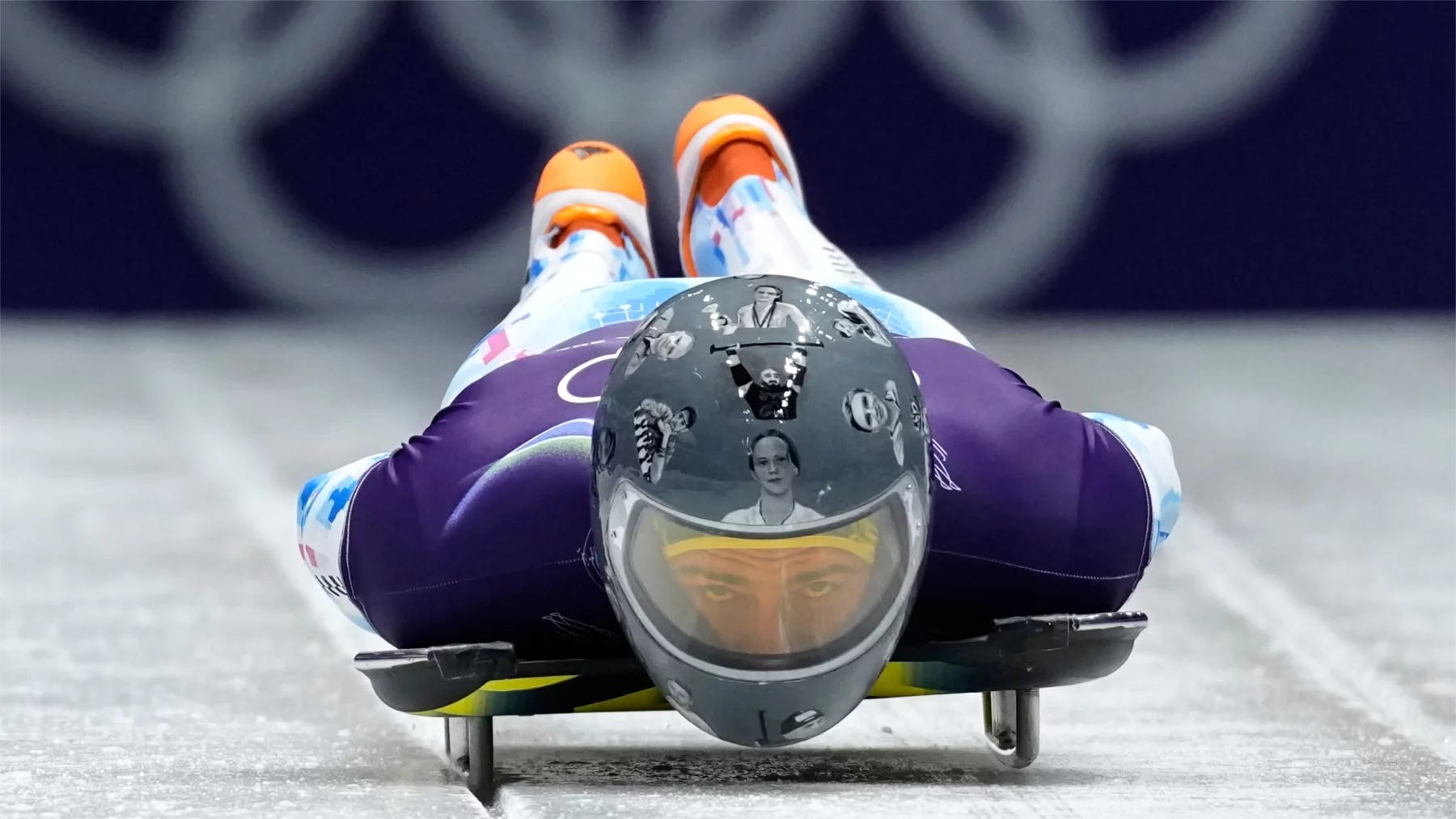
Ukrainian skeleton athlete Vladyslav Heraskevych received widespread solidarity from other athletes after he used his platform to honor friends killed by the Russian invasion into his home county. While his actions led to a controversial disqualification by officials, many fellow Olympians and fans showed their support for his courage.
In one of the most unique examples of cross-country support involves a community of athletes from nations not traditionally known for winter sports. Cross-country skiers from 40 smaller nations formed a group chat—called Team Avalanche—to share technical tips, resources, and moral support. The members even started cashing in the same bedrooms during events. “For me, it’s like a family, it’s like a team”, said Indian skier Bhavani Thekkada.
These are just some of the examples of cross-national comraderie from the 2026 Milan Olympic Games. With competitors from nearly 100 countries and an estimated audience of 2 billion people around the globe, the Games provide a common experience—a shared moment of inspiration and enjoyment—for a huge swath of humanity. It’s a rare moment when the world stops and celebrates together.
Fostering a sense of solidarity among the world’s peoples is exactly what the Olympics are meant to be about. In fact, they create very explicit social norms around it. As the International Olympic Committee puts it:
The goal of the Olympic Movement is to contribute to building a peaceful and better world by educating youth through sport practised in accordance with Olympism and its values.
Yet, the Olympics are also perhaps humanity’s most elaborate ritual of nationalism. From the Parade of Nations during the opening ceremony to the flags and national anthems that pay tribute to the medalists, national pride is everywhere on display. Many of these same countries competing together have a history of conflict, even war.
With fans draped in the colors of their home nation, flags waving in the air, and Olympic glory riding on every sport, it might trigger images of nationalistic violence. Yet it almost never does. Instead, people cheer together and there are numerous instances of mutual support across national boundaries.
How do the Olympics balance this tug-of-war between national pride and collective celebration? What is the psychological switch that allows people to fiercely compete for scarce resources while embracing their enemy?
This is called “The Olympic paradox” and it reveals how competition and cooperation can coexist in harmony. We think it’s also a powerful lesson for any community, organization or institution that wants to foster competition for excellence while maintaining a overarching sense of shared purpose.
