

“Not American Enough"
How a Super Bowl performance became a flashpoint for belonging — and what social psychology explains about it.

For the first time in Super Bowl Halftime show history, Puerto Rican artist Bad Bunny headlined a set performed primarily in Spanish. But many viewers weren’t ready for the shift—at least not on such an iconic stage. Turning Point USA, an organization that advocates for MAGA policies intentionally organized their “All-American Halftime Show” at the same time as the Super Bowl to celebrate “American faith, family, and freedom” for “folks who love America”.
While some Americans praised Bad Bunny’s performance as a pivotal moment in American culture which expressed the value of connecting with one’s community and celebrating one’s heritage, others were outraged. Backlash following the performance forced Bad Bunny to clear his Instagram account due to the immense volume of online harassment he received.
Many football fans felt that the performance was not traditionally American enough and that a Puerto Rican artist does not belong on stage at the Super Bowl Halftime show. On Truth Social, Donald Trump called the performance a “slap in the face to our country” and added, “nobody understands a word this guy is saying”. (According to U.S. Census data, Spanish is the second most common language spoken in the U.S., with over 41 million speakers.)
Boxer Jake Paul’s call to turn off the halftime show referred to Bad Bunny as a “fake American citizen” and received 125,000 likes on X. These posts and many more fueled animosity towards Bad Bunny and Hispanic Americans in general. Although Bad Bunny is an American citizen, for many he was not “prototypically” American enough and therefore undeserving of the spotlight.
Racial dynamics in the U.S. are complicated and require nuance to understand. However, there are two psychological theories that can help explain some of the reactions to Bad Bunny’s performance.
Stereotyping models quantify the ways different groups are perceived in society and visualize the status quo. Researchers have found that there are systematic ways people stereotype based on different traits like foreignness, warmth, and competence.
Perceptions of status threat are likely at play. Status threat is the perception that one’s social group is losing status, power, or cultural dominance relative to other groups. Perceived status threat can trigger preferences to maintain the status quo, specifically when a group that is usually dominant in society feels threatened.
Perceptions of status threat can be triggered by a shift in racial demographics, or as in Bad Bunny’s case, greater representation in pop culture and the media. Bad Bunny’s trajectory has made big waves in the entertainment industry as of late — his latest record, DeBÍ TiRAR MáS FOToS was the top album globally on Spotify and was awarded album of the year at the 2026 Grammys.
How stereotypes shape what it takes to be considered American
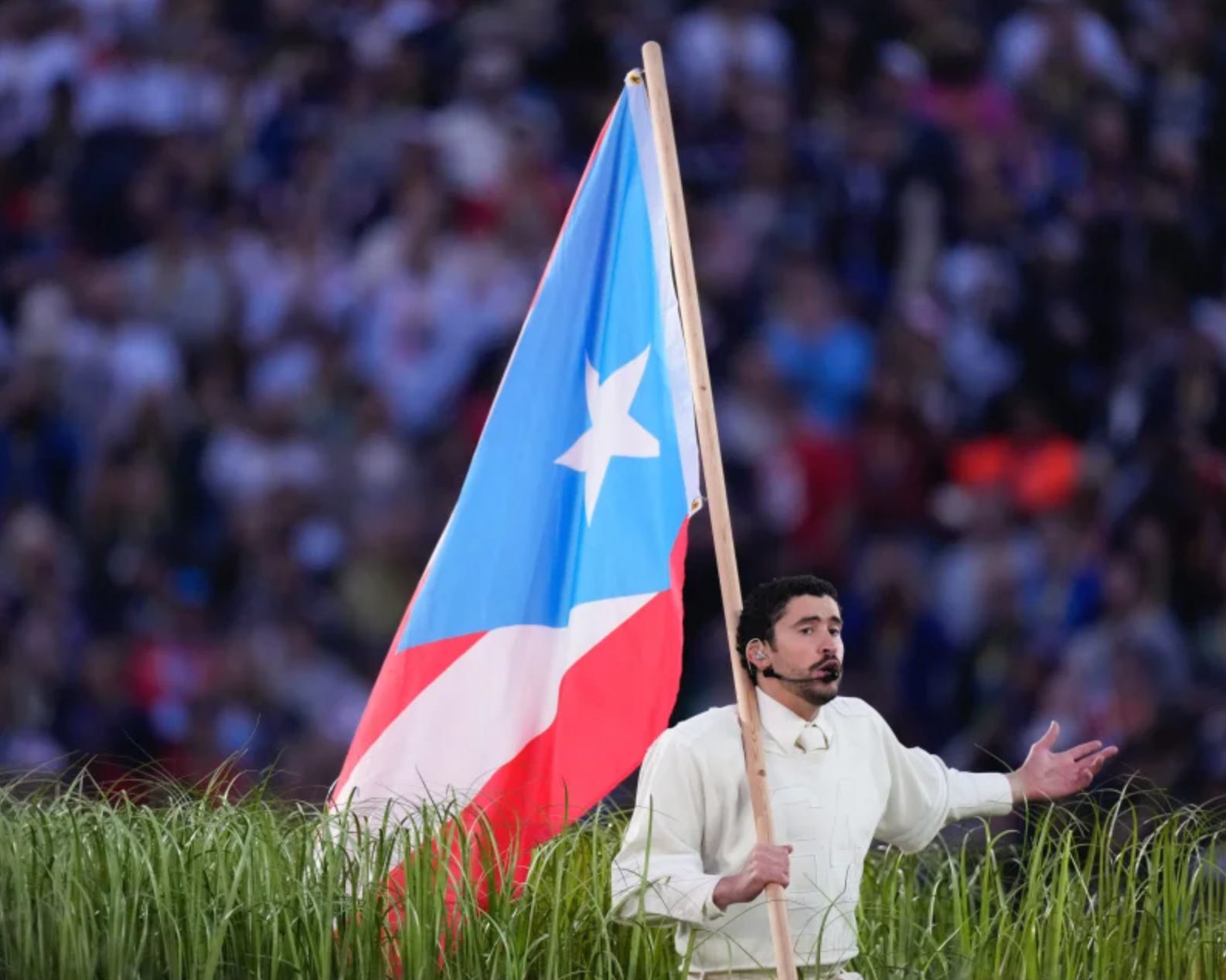
At the end of his performance, Bad Bunny shouted “God Bless America!” before naming countries across the Americas as he and other performers crossed the field carrying their flags. This display has been viewed as a moment of decentering the United States as the default for defining America, and shined a light on all countries in North, Central and South America. This reframing of “America” is rooted in a larger question: who is considered “American” and who belongs?
Within all societies, racial groups are subject to stereotypes that influence how they are viewed and treated. Research finds that when group perceptions are measured by ratings of inferiority-superiority and foreign-American, distinct patterns emerge.
In a set of studies conducted in 2017, researchers asked participants “To what extent are [racial group] seen as foreign or American in U.S. society?” (1 = Very Foreign, 7 = Very American). They found that White Americans were seen as the most American, followed by Black Americans, then Native Americans/American Indians. Hispanic/Latino Americans were viewed as relatively foreign. White Americans were also rated more patriotic than other racial groups.
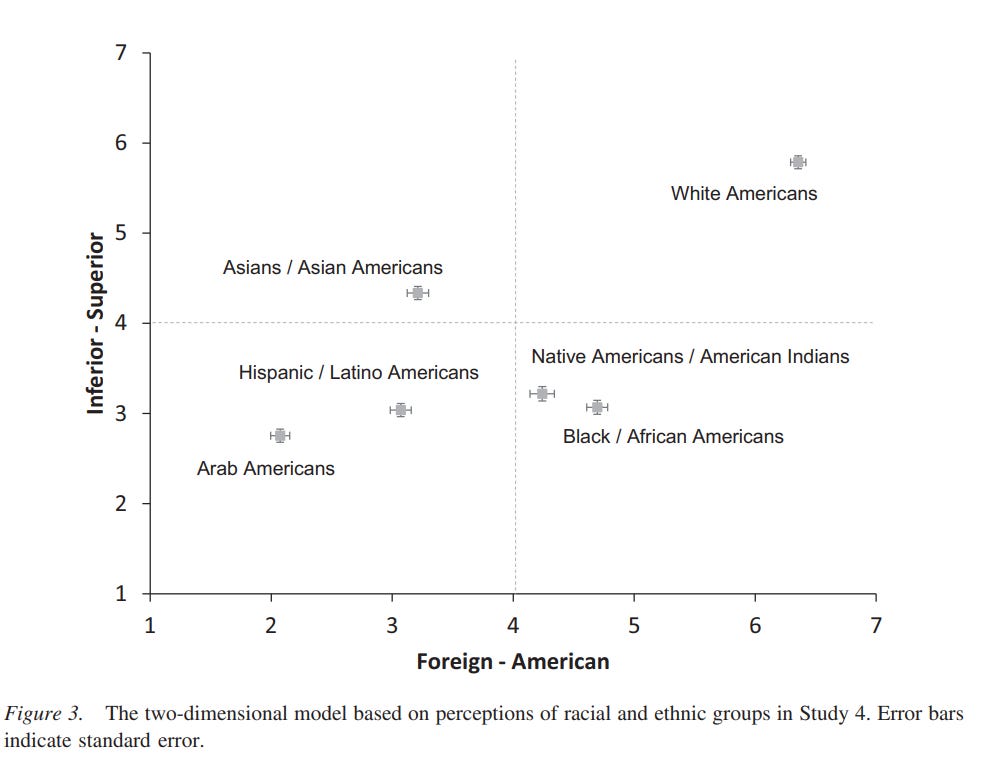
These group dynamics can, in part, explain why a Puerto Rican artist performing at the Super Bowl felt “not American enough” to some. It challenges the status quo by spotlighting a culture and group of people who are marginalized in U.S. society. A performance on a stage as big as the Super Bowl may imply that Hispanic Americans’ cultural presence is increasing and could threaten other groups’ positions on the social hierarchy.
The role of status threat and implications of a Hispanic population surge
Recent U.S. Census data predict that by the year 2045, people of color will outnumber White individuals. The implications of a majority-minority country are important to understand in order to build a more inclusive future for all, but research in this area has suggested that the future may be difficult to navigate. Turning Point USA’s “All American” halftime show as an alternative to Bad Bunny’s performance foreshadows a deep divide.
This begs the question: Will the future be one where Americans embrace diversity and celebrate the U.S.’s multifaceted identities and cultures, or one marked with heightened conflict, racism, and xenophobia?
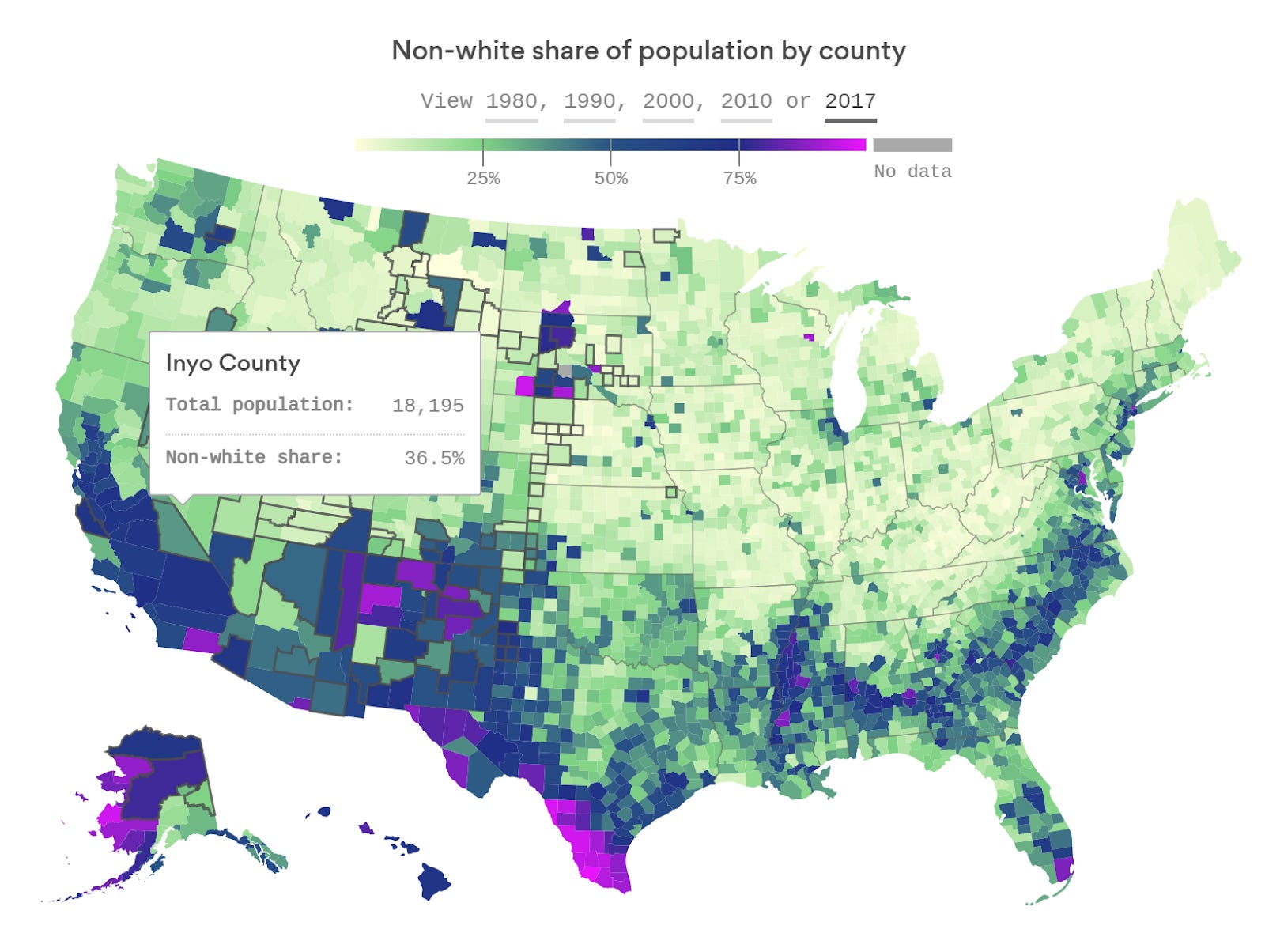
A 2019 Pew Research study revealed positive perceptions of racial and ethnic diversity, hinting that amicable attitudes will shape the nation’s future. The nationally representative survey of U.S. adults showed that more than three-fourths of Americans (77%) agreed that racial and ethnic diversity is at least “somewhat good” for the country. The study found some variation in opinion among White (55%), Black (59%) and Hispanic (60%) individuals. However, other psychological studies suggest otherwise…
